It was known as “The Great War”—a land, air and sea conflict so terrible, it left over 8 million military personnel and 6.6 million civilians dead. Nearly 60 percent of those who fought died. Even more went missing or were injured. In just four years between 1914 and 1918, World War I changed the face of modern warfare, becoming one of the deadliest conflicts in world history.
100,000 New Zealand men signed up to fight for King and Country in the First World War. Among the dominions of the British Empire, “New Zealand had the highest percentage (5%) of its military-age men killed. The loss of 18,166 men and women severely affected [our] small community. Two-thirds (12,483) had fallen in the 30-month Western Front campaign, which remains New Zealand’s most costly. Of those who survived, many were maimed or suffered from shell-shock (post-traumatic stress disorder), imposing a longstanding burden on their families and communities.”
The outbreak of war in August 1914 was generally greeted with confidence and jubilation and inspired a wave of patriotic feeling and celebration. Few people imagined how long or how disastrous a war between the great nations of Europe could be, and most believed that their country’s side would be victorious within a matter of months. Many thought it would be over by Christmas. The war was welcomed either patriotically, as a defensive one imposed by national necessity, or idealistically, as one for upholding right against might, the sanctity of treaties, and international morality.
Like all families in New Zealand, mine suffered losses. My great-grandfather Maurice Mason Earle was the only one of my great-grandparents to see action. The others were either too young or too old and were not sent to the front. But many of my great-grandparents brothers, cousins and nephews were. Many did not return. Those who did were often changed due to the physical effects of wounds and disease, and mentally due to shell-shock or what today we would call post-traumatic stress disorder (PTSD).
It was not only the scale of death, but the nature of the losses that made deaths during the First World War so profoundly traumatic. Deaths in the war predominantly involved healthy adult men. They were frequently violent. At Gallipoli, the majority of victims were buried in mass graves, which were not revisited until the Allies and their grave identification units returned to the peninsula in 1919. On the Western Front, the destructive nature of shell warfare on men’s bodies meant that many remains would never be identified, while other men’s remains were initially located but later lost during subsequent fighting. At Gallipoli, 67 percent of New Zealand servicemen’s remains were never recovered, and at the Western Front, 33 percent were not located. Wartime deaths generally took place far away from home and family. New Zealand followed the British and Empire policy of not repatriating its war dead. Instead, the remains of New Zealand soldiers who died in the war were buried in military cemeteries constructed around former battlefields. Those soldiers whose bodies were not recovered were individually named in “memorials to the missing” erected in Allied cemeteries near to where the men had been killed. The graves of unidentified soldiers were simply marked “A Soldier of the Great War Known Unto God”.
With ANZAC Day approaching, I thought it was timely that I record the service of my great-grandfather and also profile some of the brothers, nephews and cousins of my great-grandparents who fought in WW1.
paternal GREAT-GRANDFATHER
Surgeon-Capt. Maurice Mason Earle MD
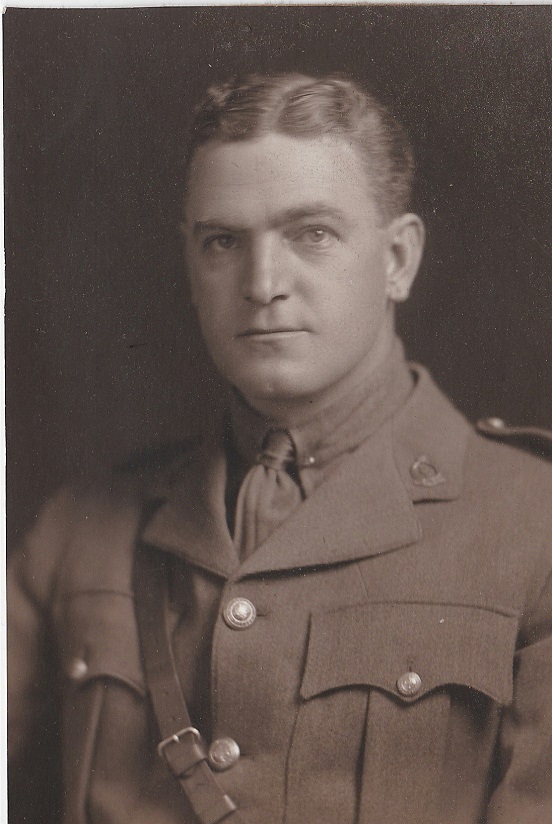
Born 2 Jan 1880 in Whanganui, Manawatu-Wanganui, New Zealand. Died 1946. Son of Robert Charles Earle and Eliza Ellen Mason Earle. Husband of Dorothy Christie. Medical Doctor.
Merchant Navy Service No. 3/2570, NZ Expeditionary Force (NZ Medical Corps). Posted to Awapuni Ambulance Camp briefly for training before embarking as a Physician on hospital/troop ship No.2 “Marama” 10 Nov 1916.

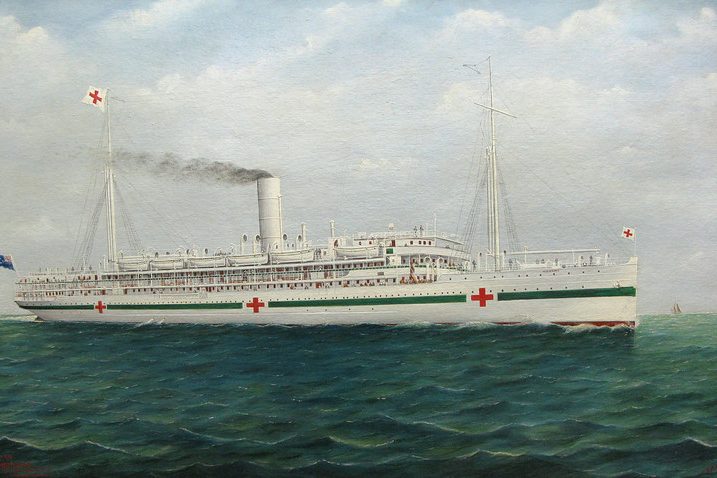
Left: List of Officers on the Marama, from PapersPast. Right: Painting, Hospital Ship Marama off Sinclair Head, Wellington; Frank Barnes; 1915 Creative Commons – Attribution – Non-commercial
The Marama sailed from King’s Wharf at Wellington, wife Dorothy waving Maurice goodbye. Before their departure 55 orderlies marched to bagpipers through the main streets, finishing at Buckle Street, “overseen by Capts. Russell, Spedding and Earle.” Although the moment must have been patriotic, it was surely a difficult time for her. Not only was her husband heading away, she had a small child at home to care for. In addition, her brothers Leslie and Howard Christie were also serving along with her brother-in-law Bob Earle (see extended family).
The Marama coaled at Albany on her way to Bombay, where she embarked invalided Imperial troops from Mesopotamia. After touching at Port Said and Alexandria the Marama called at Malta, where 19 English nurses from Egypt were landed. On Christmas Eve she left Malta preceded by mine sweepers. On Christmas Day the wards were decorated, and the Christmas dinner was in keeping with the traditions of the festive season. A patrol vessel was the only armed craft seen on the Mediterranean trip, and the call at Gibraltar was remarkable for its briefness. The rest of the trip to Southampton was also uneventful, but quantities of ships’ fittings were seen floating about in the English Channel, and a swarm of tugs were towing a damaged vessel stern, first into Southampton, when the Marama arrived there on December 31.
Hospital Ship Marama. Evening Star, Iss 16369, 10 Mar 1917, Page 6 (from PapersPast)
Once at Southampton, having unloaded its passengers, the ship embarked over 530 returned and invalided officers and men bound for New Zealand. Cases varied in nature, from the obvious gunshot wounds, shell concussion and missing limbs and gas poisoning, to bronchitis and frost-bite. They sailed again on January 13.
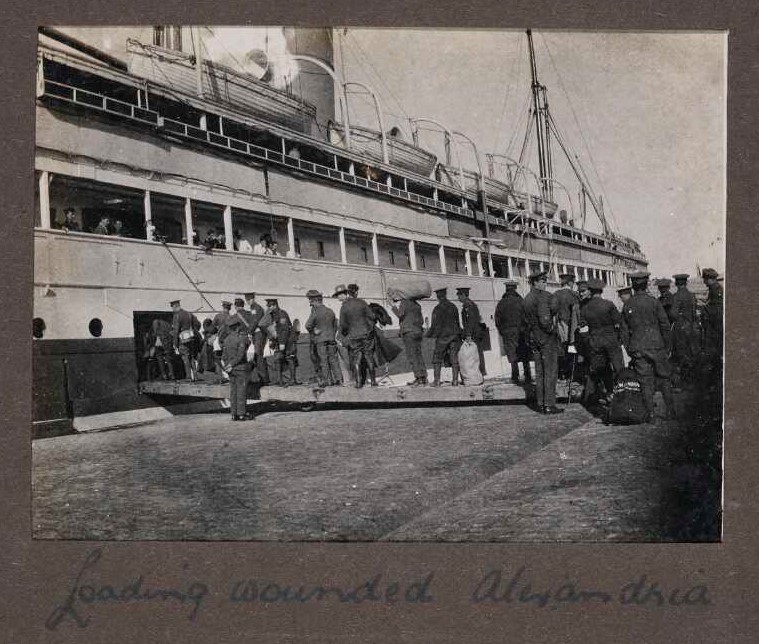
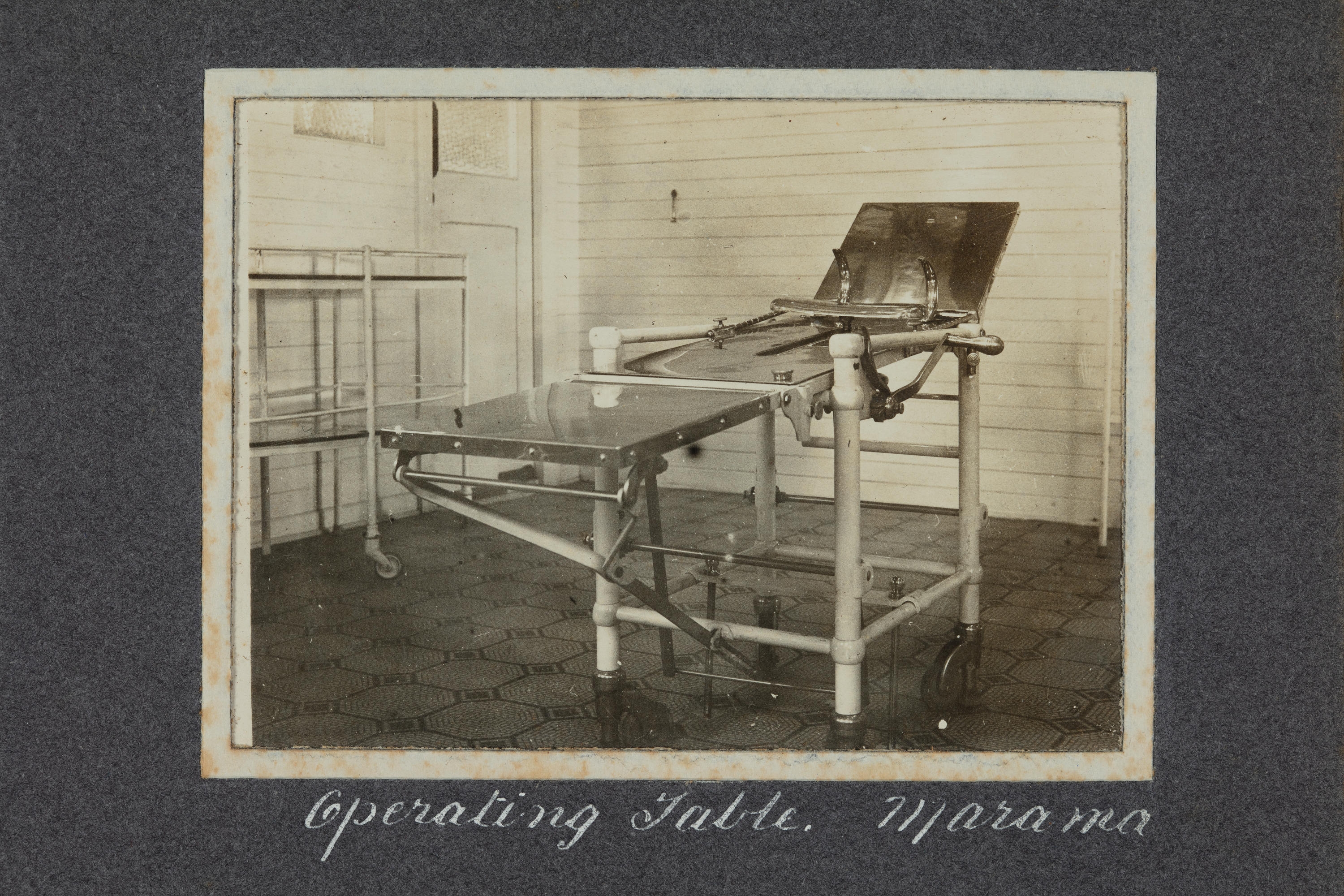
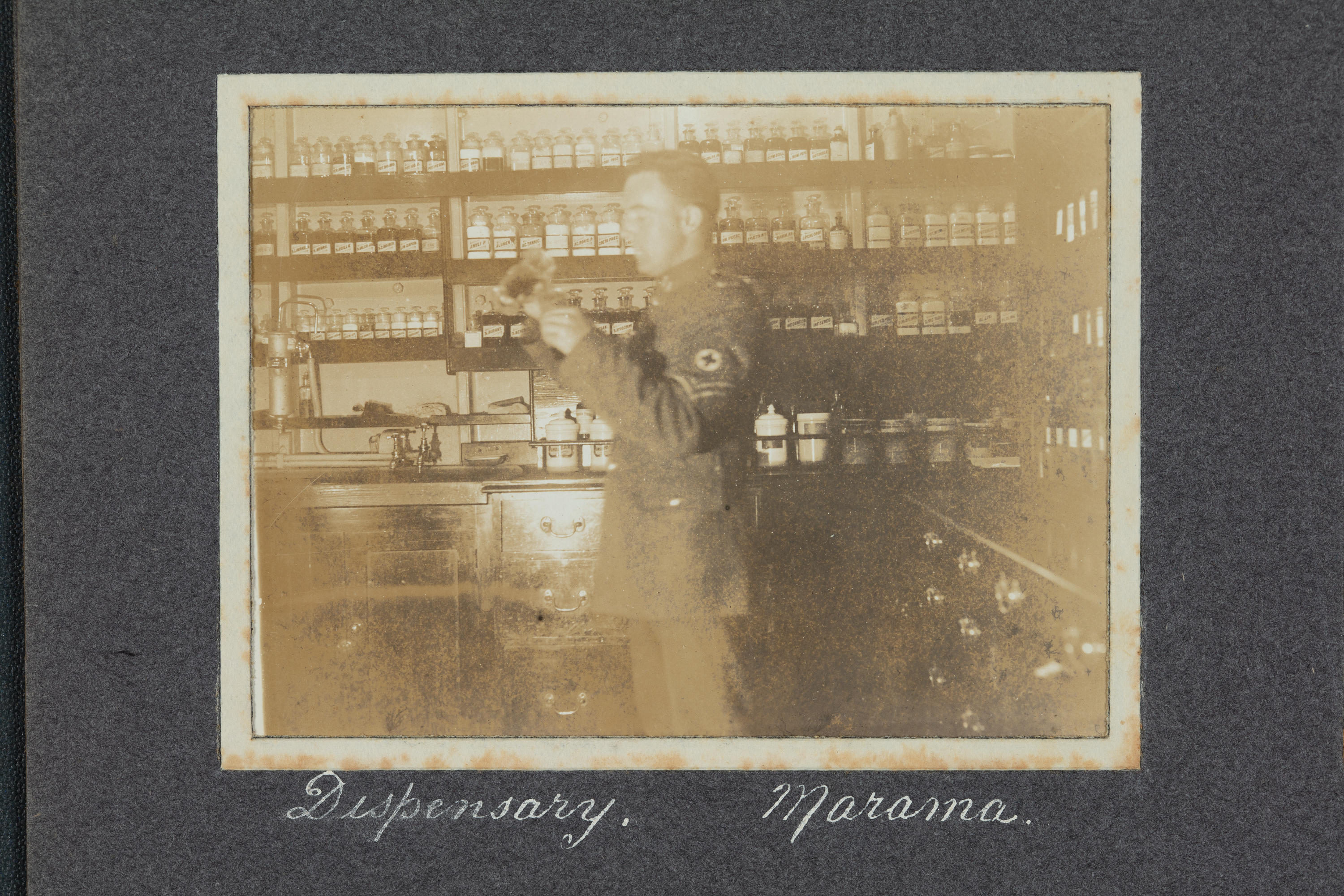
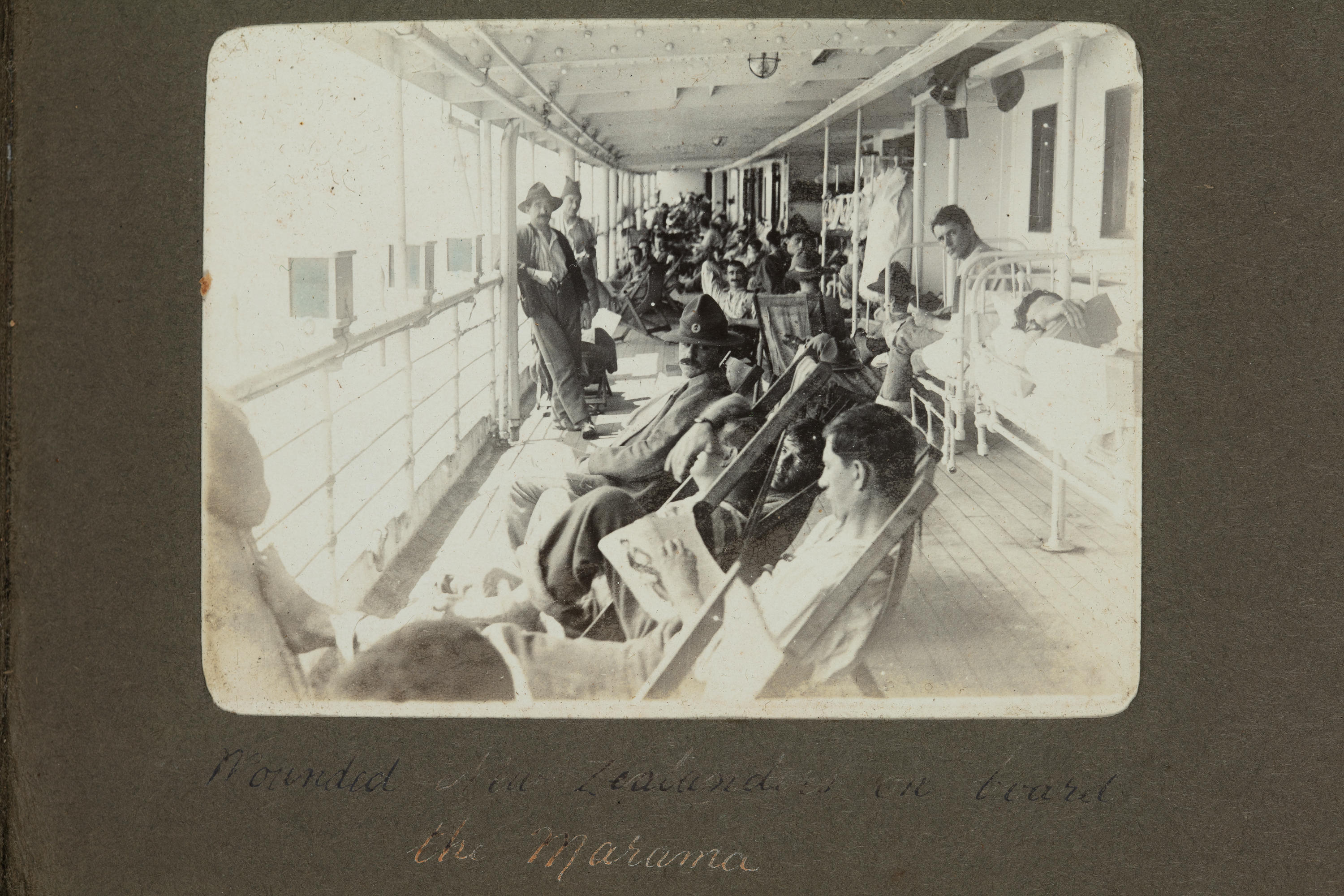
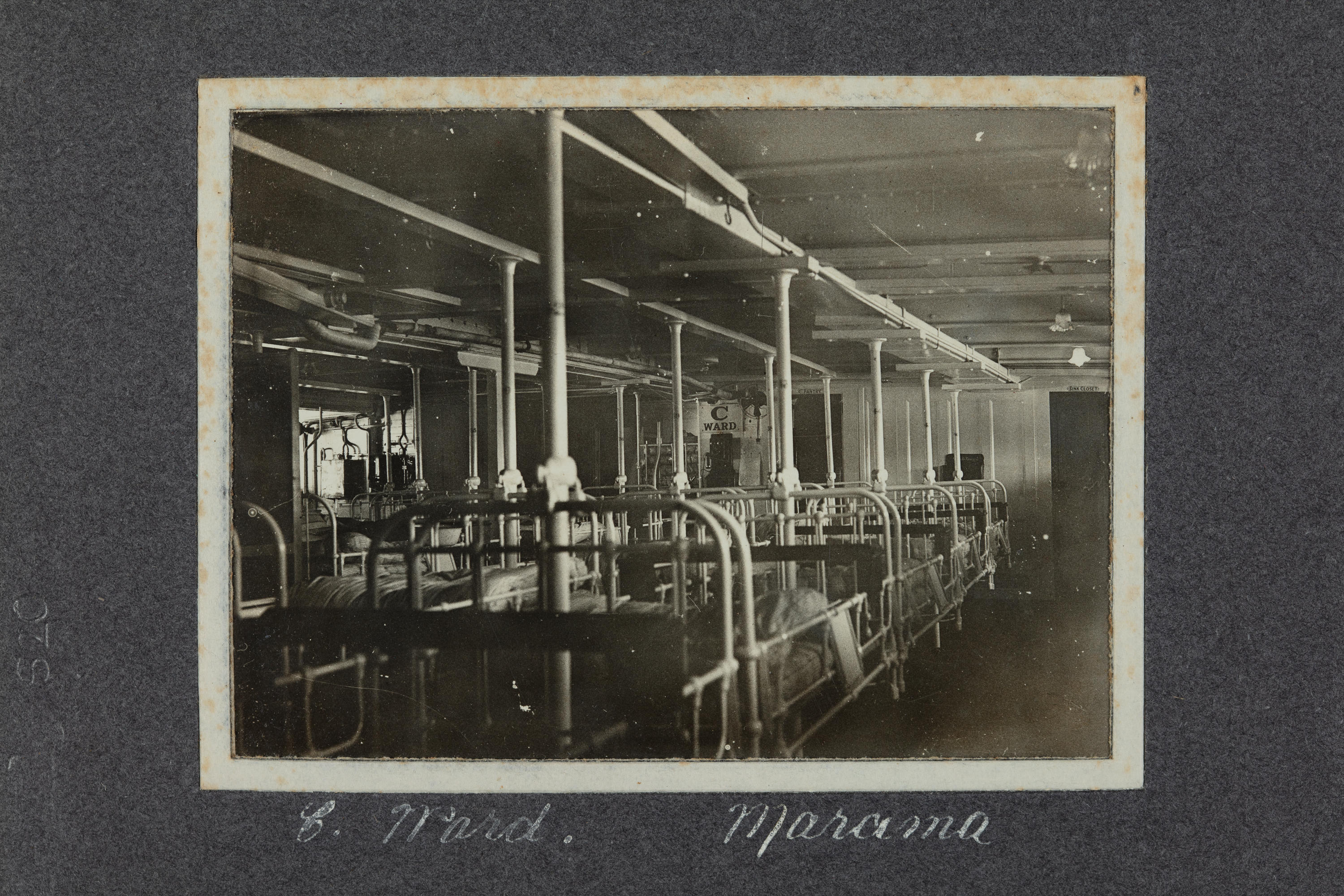
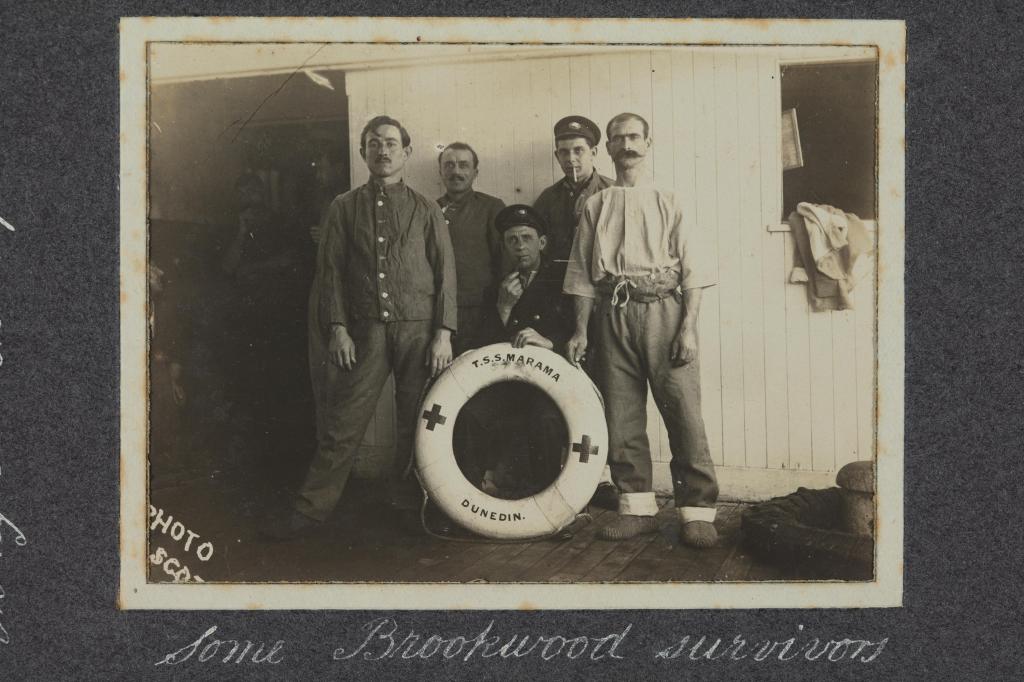
Two days out from England, the ship picked up a lifeboat with 12 men from the steamer Brookwood, sunk 5 days earlier by a German submarine. It was a very real example of the unsafe territory they travelled through. Even if German submarines respected the Red Cross, there was “a very real danger from floating mines…especially in the Meditteranean after leaving Suez.” After getting the men on board, the ship had an unexpected shock when the German U-Boat that had torpedoed the other ship suddenly appeared close by. Thankfully its captain decided to leave the fully marked hospital ship alone.
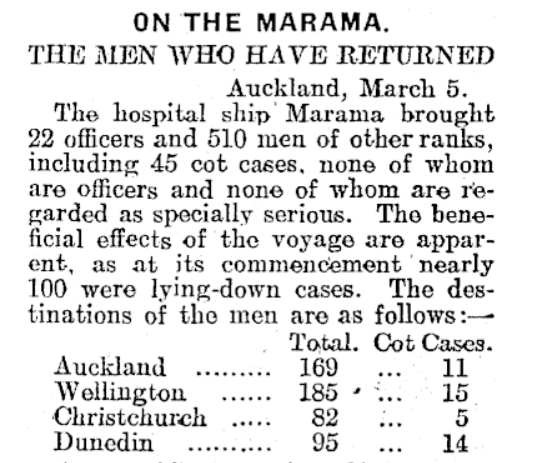
Feilding Star, Vol XIII, Iss 3183, 6 Mar 1917, p.2, Papers Past.
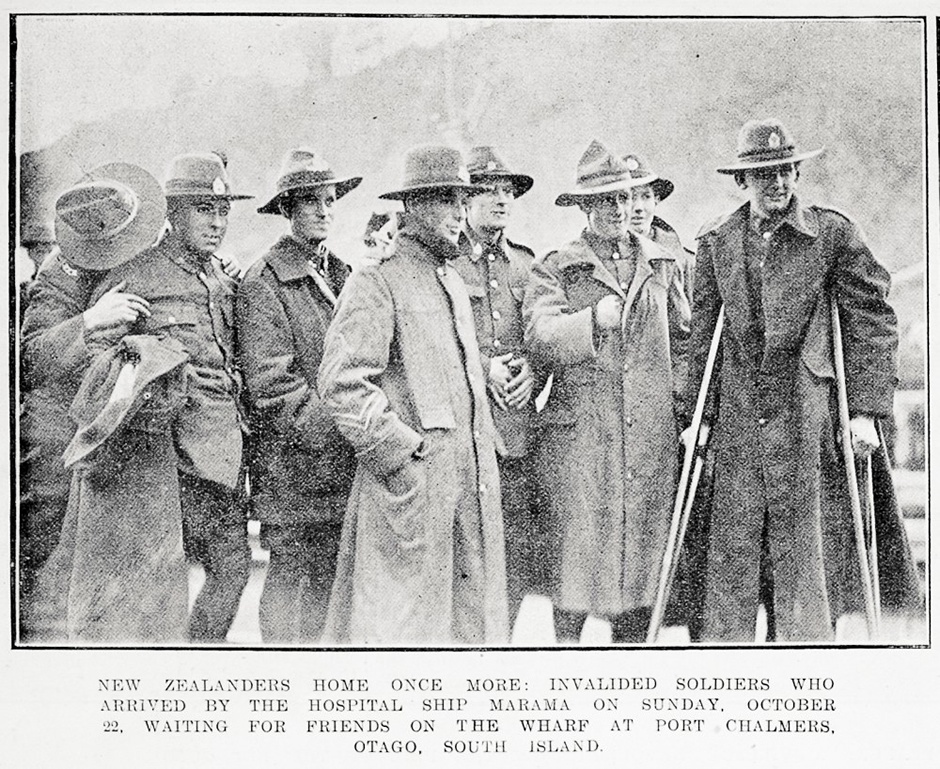
Maurice had a quick turnaround back in New Zealand. The Whanganui papers reported on March 16: “Surgeon-Captain Maurice M. Earle has completed his first round on the Marama and is spending a few days at home with his family. The doctor, who is looking well although a trifle thin, is glad to be back in New Zealand, which, he says, is looking very beautiful to him.” – Wanganui in Wisps. Free Lance, Vol XVI, Iss 871, p. 9, Papers Past. By March 22, he had departed on the Marama’s second sailing.
Shortly after Maurice left for the second time, his second son Anthony (Tony) was born. The Marama made multiple stops: Colombo, Bombay, Aden, Suez, Durban, Cape Town, Freetown, and finally to Avonmouth, Bristol before beginning a return journey via Colon, the Panama Canal, Balboa and finally to Auckland then Port Chalmers. It was no pleasure cruise. Hospital ships were now becoming targets. After embarking patients at Bombay, orders were received that the Mediterranean was unsafe and the nursing sisters were ordered off at Suez. A new course was set for Durban, Cape Town and Sierra Leone after which they headed north again. A full complement of patients were loaded at Avonmouth, Bristol.
Although the Somme battles were over, the doctors, nurses and orderlies worked long hours. One bonus was that the return voyage saw Maurice reunited with his brother-in-law Capt. Allan Leslie Christie, MD. They would have enjoyed seeing each other again during tough times (unfortunately Leslie sadly succumbed to the influenza pandemic the following year).
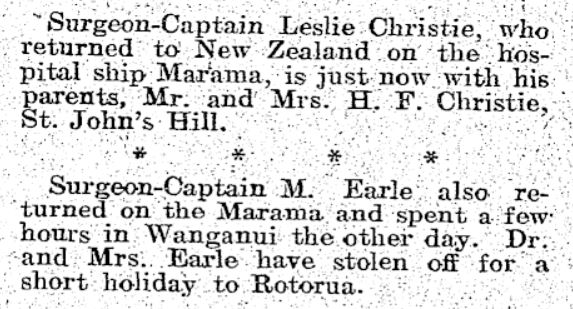
Free Lance, Vol XVII, Iss 895, 7 Sep 1917, p.21, PapersPast.
Maurice was discharged 18 Sep 1917. He was awarded the British War Medal and the Victory Medal.
PATERNAL EXTENDED FAMILY
These were the brothers of my great-grandparents, Maurice Mason Earle (profiled above), Dorothy (Christie) Earle, Mary Louisa “Louie” (Theobald) Case and Harry Maulden Case:
Pvt. Robert Charles (Bob) Earle
Born 14 Dec 1871 in Whanganui, Manawatu-Wanganui, New Zealand. Died 1964. Son of Robert Charles Earle and Eliza Ellen Mason Earle. Married Ann Warburton in his mid-60s. Farmer.
Regtl No. 1319, British Army, 1st King Edward’s Horse (Overseas Dominions Regt). Enlisted Nov 1915, joined Reserves. Served Italy and France. With C Squadron, Machine Gun Section seriously wounded 9 Apr 1918 by gunshots through the stomach and elbow near Huits Maisons (north of Vielle Chapelle) in France facing the Germans in the opening phase of the Battle of the Lys. In this action he fought dismounted. Other squadron members did what they could to dress his stomach wound but due to massive blood loss did not expect him to survive the night. Reported dead to parents – although he was alive. German records show his capture location as La Bassée. Held POW in German Military Hospital. Repatriated to an American Hospital by Dec 1918. Fantastic story that deserves his own post!
Capt. Allan Leslie (Leslie) Christie MD
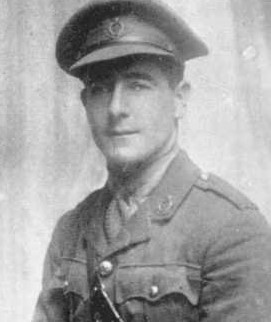
Born 23 May 1887 in Patea, Taranaki, New Zealand. Son of Henry Flockhart Christie and Henrietta Alice Bush. Never married. Medical Doctor.
Regtl No. 28040, 1915-16 Royal Army Medical Corps. Served in France; Regtl No. 3/2915 Sep 1916-1918 NZ Expeditionary Force (NZ Medical Corps). Posted to No. 2 NZ General Hospital, Walton-on-Thames, Surrey. Invalided to NZ on HS No.2 “Marama” Jul 1917. Served as a Physician on hospital/troop ship No.2 “Marama” (4th Charter) which embarked 1 Jun 1918. Upon returning, tended to soldiers at Featherston Camp. Died of influenza 1918.
Capt. Henry Howard (Howard) Christie MD
Born 19 Nov 1883 Patea, Taranaki, New Zealand. Died 1943. Son of Henry Flockhart Christie and Henrietta Alice Bush. Husband of (1) Dorothea Eita Marshall – divorced, (2) Isa Elizabeth (Eliza) Livingston. Medical Doctor.
Regtl No. ? 1914-1915 Royal Army Medical Corps. Served Egypt at New Zealand General Hospital, Pont de Koubbeh; Regtl. No. 3/1461 1916-1917 NZ Expeditionary Force (NZ Medical Corps). Posted to Abasseyeh in Egypt then divided time between No. 2 NZ General Hospital, Walton-on-Thames, Surrey and No. 1 NZ General Hospital Brockenhurst, Hampshire. Returned to NZ Aug 1917 on the “Rimutaka” as medical officer in charge of invalids.
L/Cpl Charles Edward Theobald
Born 29 Mar 1884 Faversham, Kent, England. Died 1951. Son of John Theobald and Martha Tuff. Husband of Charlotte Jane Goodman. Carman (Driver of (horse-drawn) vehicles for transporting goods).
Regtl Nos. 8/21354 and 25850 1916 British Expeditionary Force, 12th Rifle Brigade. Served France and Flanders. Suffered gunshot wounds to side and left wrist in battle 1917. Transferred Apr 1918 to Labour Corps (Regtl No. 516556) then in Jul 1918 to 13th East Lancashire Regt (Regtl No. 32696). Suffered gunshot wounds to face Oct 1918. Treated and returned to field November. Transf 1919 to Army Reserves (Regtl No. 25850).
Gnr John Henry (Jack) Theobald
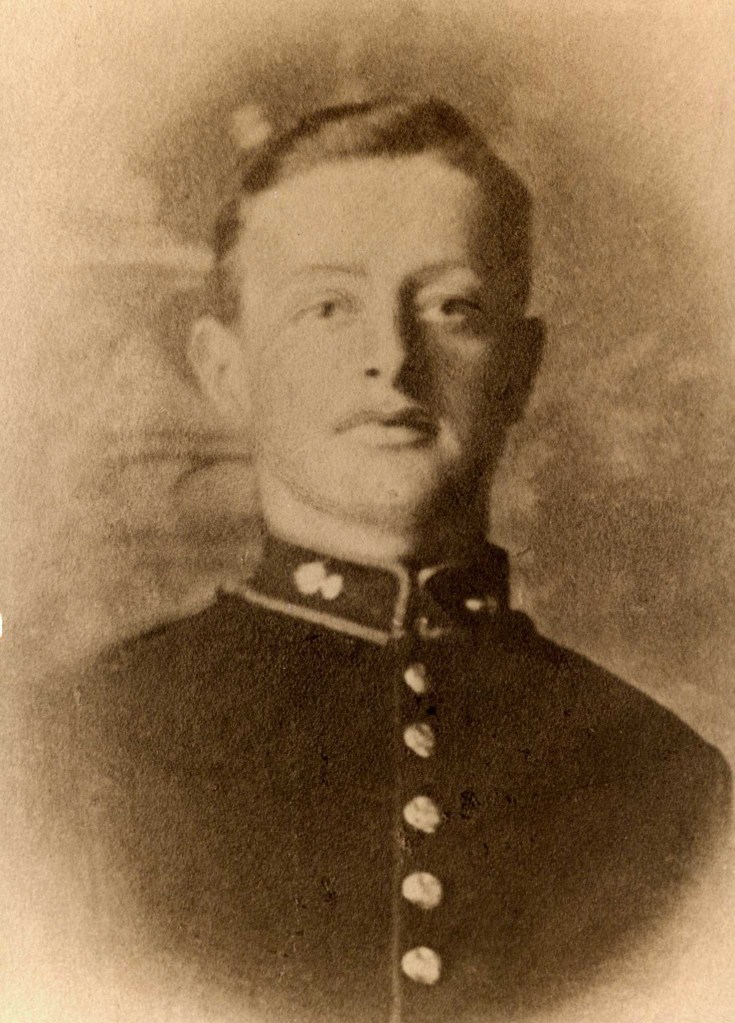
Born 12 Aug 1888 Faversham, Kent, England. Son of John Theobald and Martha Tuff. Husband of Edith Whitfield. Career Soldier/Labourer.
Regtl No. 44115 1906-1912 Royal Field Artillery, 61st Battery. 1914 Called up, Royal Field Artillery, 34th Brigade, 50th Battery. Posted to France. Killed in action 14 Sep 1914 in Battle of Aisne. Final resting place unknown. Listed on La Ferte-sous-Jouarre Memorial, Seine-et-Marne, Île-de-France, France.
Gnr Albert Barnet Case
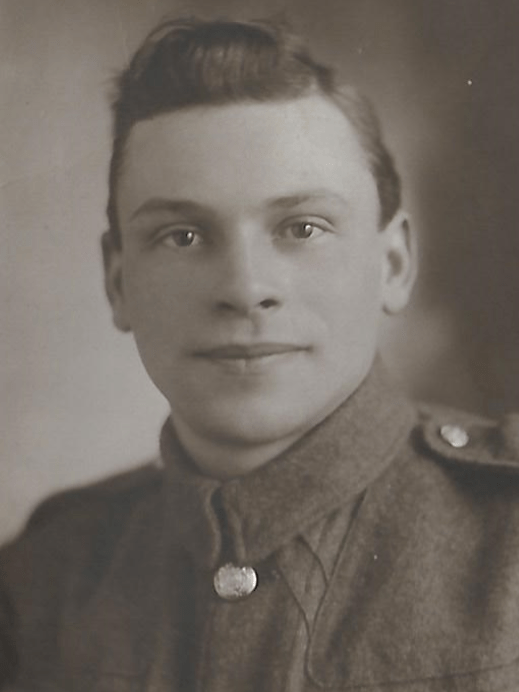
Born 17 Mar 1895 Quetta, Baluchistan, India (today Pakistan). Died 1965. Son of Frank Herbert Case and Matilda Jane “Ginny” Maulden. Husband of Lily Jarrett. Before the war, assisted in his parents’ Greengrocers business. Post-war, a Painter and Decorator.
Regimental No. 38940. 1915-1919 Royal Garrison Artillery, 38 Siege Battery, which was equipped with four 6″ howitzers. After basic training, landed Port Said, Egypt, 29 Dec 1915. Served in the Mesopotamian Campaign (modern-day Iraq) fighting against the Ottoman Turks.
Pvt. Hubert James “Cook” Case
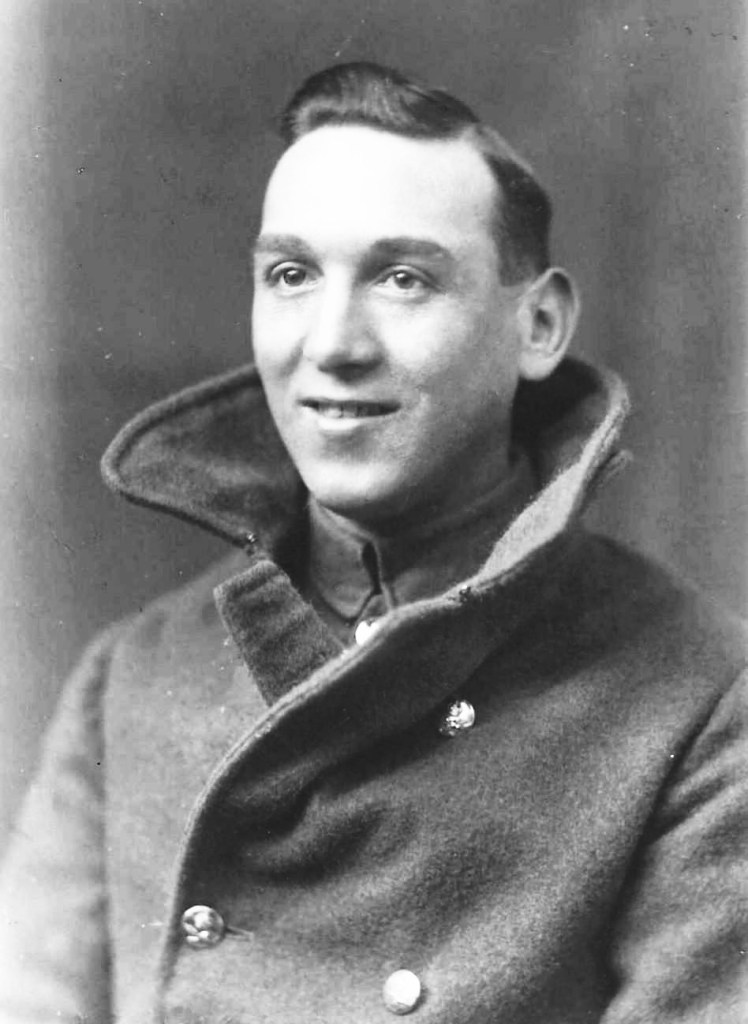
Born 15 Jun 1899 Weymouth, Dorset, England. Died 1971. Son of Frank Herbert Case and Matilda Jane “Ginny” Maulden. Husband of Ivy Dorothy Jones. Post-war a Goods Porter at Dartford Railway Station; joined the RAF in 1923 as an Aircrafthand.
Regtl No. 48892 3/East Surrey Regiment. The 3rd (Reserve) Battalion was a depot/training unit, it moved to Grand Shaft Barracks at Dover and remained there throughout the war performing garrison duties. Joined underage. May have served overseas but cannot be sure due to his attestation record not having survived WW2.
Maternal Extended Family
These were the brothers of Alexander Falkner, Grace Clarke (Lozell) Falkner and Gertrude Mary (Johnson) Wilton:
Rflmn Richard Ormerod (Dick) Falkner
Born 24 Sep 1888 Wellington, New Zealand. Died 1947. Son of Alfred Ormerod Falkner (builder of the ANZAC Memorial Bridge at Kaipororo) and Susannah Elizabeth (Eliza) Pallant. Never married. Farmer.
Regtl No. 69399, 2nd NZ Expeditionary Force C Company 34th Reinforcements. Enlisted Woodville Sep 1917 and embarked on the “Ulimaroa” Feb 1918. Served in France. May 1918 marched out to 3rd New Zealand Entrenching Battalion. In June 1918 transferred to 1 Battalion 3rd NZ Rifle Brigade and posted to B Company as a Rifleman. Returned to NZ on the “Geissen” June 1919. Discharged 23 Sep 1919. Richard survived but never recovered from his war experience. His military record notes that he died of “sickness” in 1947 (not something that would usually be recorded on a military service record after the war was over, usually just a ‘Deceased’ stamp). His father Alfred’s will made provision for Richard’s comfort, allocating him ₤100 per year, noting him as a “mental defective who has resided with me for many years.” It is possible he suffered from shell-shock and had PTSD.
Tpr Victor Andrew Falkner
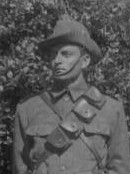
Born 21 Sep 1893 Palmerston North, Manawatu-Whanganui, New Zealand. Youngest son of Alfred Ormerod Falkner (designer and engineer of the ANZAC Memorial Bridge at Kaipororo) and Susannah Elizabeth (Eliza) Pallant. Never married. Labourer.
Regtl No. 13/903, 1st NZ Expeditionary Force, Auckland Mounted Rifles 4th Sqdn. Enlisted Trentham 15 Dec 1914 and embarked shortly afterward for Egypt to begin training. In May 1915 sent to reinforce the Australian and New Zealand Army Corps at Anzac Cove on the Gallipoli Peninsula. (for this action the Mounted Rifles fought dismounted). Engaged in the battle of Chunuk Bair. Killed in action in the 2nd attack on Hill 60 on 28 Aug 1915. Final resting place unknown. Listed on Hill 60 Cemetery Memorial, Gallipoli, Çanakkale, Turkey and the ANZAC Memorial Bridge at Kaipororo, Manawatu-Whanganui, New Zealand.
Pvt. Oscar Butler Bryan (Bryan) Lozell
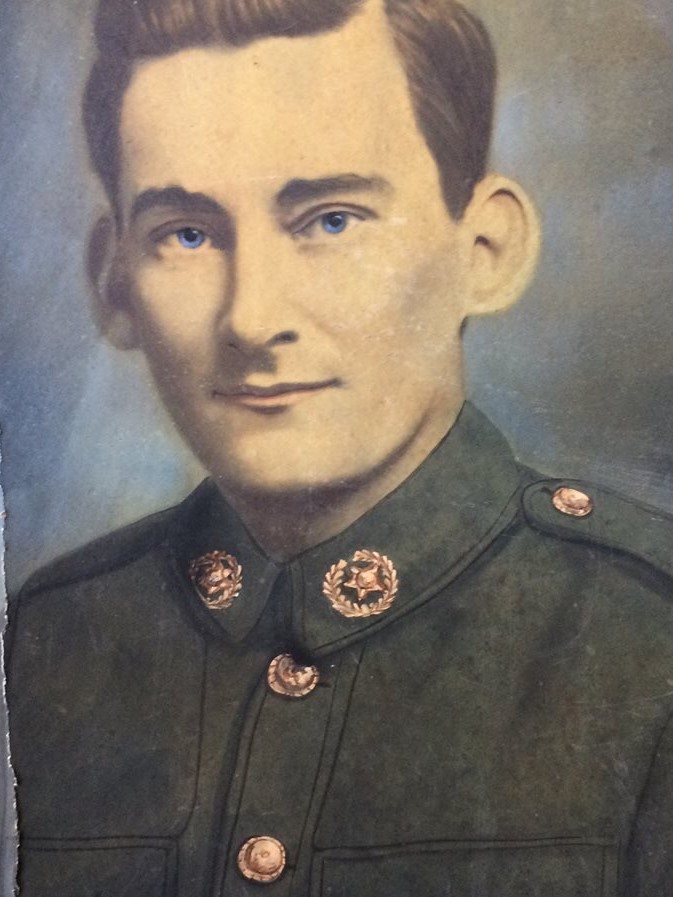
Born 7 Jan 1895 Kaikora North, Hawke’s Bay, New Zealand. Died 1978. Son of John Steven Lozell and Mary Sarah Campbell. Husband of Gerty Johannah Hansen. Pre-war a Cheese Maker. Post-war, Farmer.
Regtl No. 20371, 6th Reinforcements NZ Expeditionary Force, 2nd Battalion Wellington Infantry Regiment. Enlisted at Trentham 1916. Marched into Sling Camp in England Oct 1916 and posted to 2 Wellington Coy. Served France. Had numerous admissions to hospital early 1917 for bronchitis and persistent fevers. Wounded and gassed Aug 1918 and recovered in 2nd Convalescent Depot, Rouen before returning to the field. Returned to New Zealand on the “Prinzessen.” Discharged Jul 1919.
Pvt. George Frederick Johnson
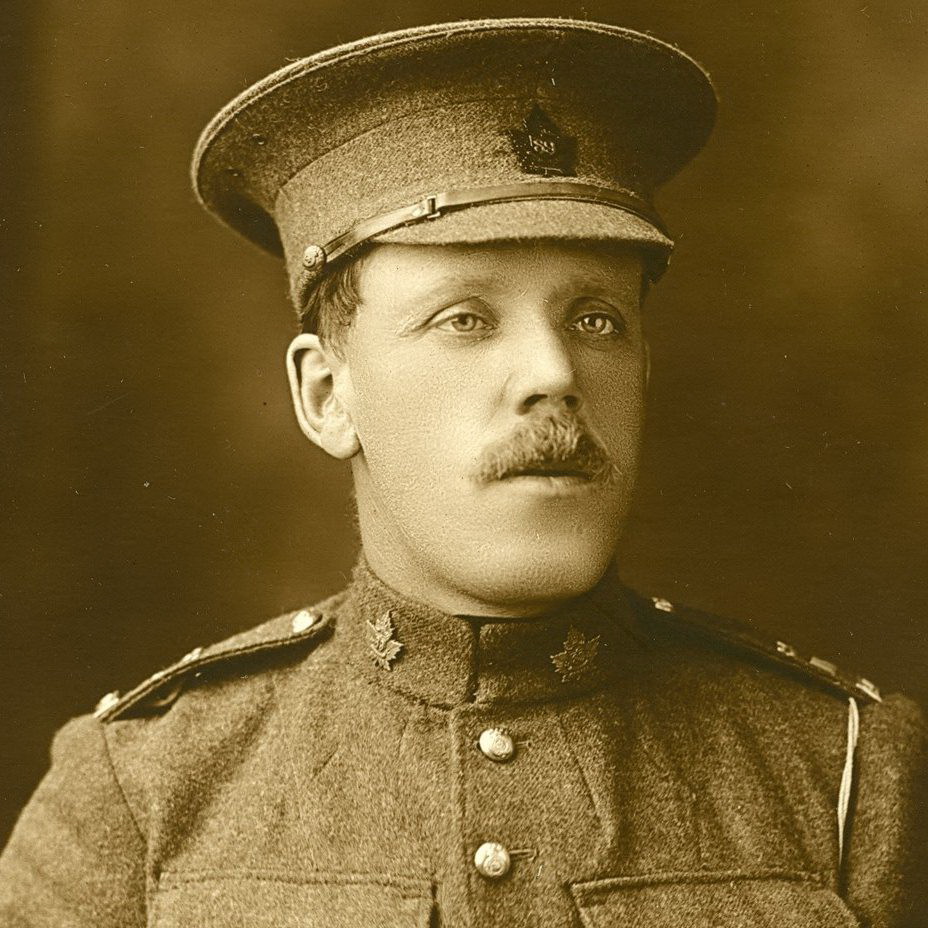
Born 1 Apr 1883 Kings Cross, London, England. Son of John Nevill Johnson and Mary Ann Freeman. Husband of Kate Horsfield. Mill Labourer.
Regtl No. 183781, Canadian Expeditionary Force, 89th Overseas Battalion. Enlisted at Calgary Dec 1915. Arrived at Liverpool, England on the “ss Olympic” Jun 1916. Aug 1916 drafted to the 10th Infantry Battalion. Served in France. Enjoyed success at Thiepval Ridge, near the town of Courcelette and Ancre Heights near the town of Albert, France. Wounded in the assault on Vimy Ridge 9 Apr 1917. Died of wounds 16 Apr 1917 at No 6 Casualty Clearing Station, Barlin, Pas-de-Calais, France. Buried at Barlin Cemetery, Barlin, Pas-de-Calais, France.
In addition to my great-grandparents’ brothers, nephews and cousins also served. There isn’t enough space to profile them all. However, this listing acknowledges their service, which force they served in (if not NZ) and (if applicable) where they were killed. It is a powerful reminder of the sheer number of men who were called up. For those who were killed, although only one among many, each individual war death was “a personal tragedy” which impacted not only a man’s immediate family but reverberated through neighbourhoods and wider communities.
The various forces represented by the extended family demonstate how, in 1914, New Zealand was still a fledgling nation, consisting of 1 million people. Many of these were fairly recent immigrants with strong ties to England and the other British colonies. It is little wonder that New Zealand as a nation experienced a traumatic four years and that the war did so much to shape New Zealand’s identity.
Stanley and Gertrude (Johnson) Wilton’s nephews: Tpr Harry Wilfred Paulsen (killed Gallipoli), Pvt. Stanley Ralph Paulsen.
Stanley Wilton’s cousins/uncles (some of Stanley’s cousins were his uncles as well due to family inter-marriage): LCpl Charles Thomas Ellison, Pvt. Alfred Edward Hume Kells, Pvt. Eric Job Wilton, Pvt. Leonard Charles Wilton, Pvt. Horace Edgar Wilton, LCpl William Ernest Wilton (killed France) Pvt. Harold Vernon Wilton, LCpl Richard Arthur Wilton.
Gertrude (Johnson) Wilton’s cousins: Pvt. Frederick Charles Freeman (British Army, killed Gallipoli).
Grace (Lozell) Falkner’s cousins: William John Steven Horne, Pvt. Henry Charles McKain, Pvt. John (Jack) McKain, Pvt. Hock Oscar H Johanson (killed France), Act. Cpl Donald Alexander Johanson, Pvt. Herman Neil Johanson.
Alexander Falkner’s cousins: Pvt. Ernest John Pallant (British Army), Sgt Donald Kelway Pallant (killed Gallipoli, remembered on the ANZAC bridge at Kaipororo), Pvt. John Alfred Pallant (Australian Imperial Force, killed France), Cpl Thomas Pallant (British Army), Pvt. James Arthur Pallant (British Army) Pvt. Bertie Pallant (British Army).
Maurice and Dorothy (Christie) Earle’s nephew: Capt. Chapple Gill-Carey MD (it was Chapple, working at Hornchurch who received the news that Pvt. Bob Earle may not have died as reported but was instead recuperating in a German hospital).
Maurice Earle’s cousins: Sgt George Moore, Spr Geoffrey Maurice Mason, Spr Reginald “Rex” Stoneham Maurice Mason, Pvt. Walter Mason (Australian Imp Force), Pvt. Jackson Mason, Sgt Hugh Campbell “Digs” Mason, Cpl John Mason, LCpl George Thomas Blake (Blake) Mason, Tpr Gordon Mason, Pvt. Earle Patrick (Pat) Mason.
Dorothy (Christie) Earle’s cousins: Col. Joseph McNaughtan Christie C.B.E. MD, Lt Henry Flockhart Christie (Canadian Exped. Force), Tpr John Turnbull Thomson Bush, Capt. Lancelot Logan Thomson Bush, Bdr Lionel John Bayfield, 2nd Lt Arthur George D’Oyley Bayfield (NZ Territorial Force), Lt Ronald George Bush Ashcroft (Australian Imp Force), Capt. Basil Davey Ashcroft (NZ Chaplains Dept).
Harry Case’s cousins: Lt Elliot Dryden Case (British Army, killed France), 2nd Lt Harry Ernest Case (British Army, killed France).
Louie (Theobald) Case’s cousins: LCpl Charles Henry Files (British Army), Spr Thomas Stephen Theobald (British Army), Gnr James William Theobald (Royal Navy), Gnr George Edward Valentine Field (British Army), Stoker Ernest Alfred Field (Royal Navy), Pvt. Charles James Field (British Army, killed Belgium), Gnr George William Christopher Field (British Army), AB Alfred Mead (Royal Navy), Gnr George Mead (British Army), Pvt Charles Albert Mead (British Army), Dvr William Thomas Bradford (British Army), Sgt Arthur Ernest Bradford (British Army, killed France), LCpl Christopher Bradford (British Army, died while at POW at Turkey), Asst Steward Sidney Horace Bradford (British Merchant Navy), Sgt. William Henry Chipperfield (British Army), Cpl. Joseph Alfred Chipperfield (British Army), LCpl Edward John Chipperfield (British Army), Pvt 2nd Class Edwin Nelson Chipperfield (RAF).
They shall grow not old, as we that are left grow old:
— “For The Fallen” by Robert Laurence Binyon
Age shall not weary them, nor the years condemn.
At the going down of the sun and in the morning
We will remember them.
Sources:
Britannica, The Information Architects of Encyclopaedia. “World War I”. Encyclopedia Britannica,<https://www.britannica.com/facts/World-War-I : accessed 31 March 2023>
McGibbon, Ian. ‘First World War – Impact of the war’, Te Ara – the Encyclopedia of New Zealand, <http://www.TeAra.govt.nz/en/first-world-war/page-8 : accessed 31 March 2023>
Auckland Museum. Online Cenotaph, database with images <https://www.aucklandmuseum.com/war-memorial/online-cenotaph : accessed Apr 2023>
Archives New Zealand. Military Personnel Files 1873-1920, Archway, database with images <https://www.archives.govt.nz/ : accessed Apr 2023>
TSS Marama Albums. New Zealand Maritime Museum <https://collection.maritimemuseum.co.nz/highlights/maramaalbums/objects : accessed Apr 2023>
Elliott, Lieut-Col J.S. “New Zealand Hospital Ships,” HMHS Marama during the Great War, part of Wartime Memories Project <https://wartimememoriesproject.com/greatwar/index.php : accessed Apr 2023>
Goossens, Reuben. “Union Steam Ship Company s.s. Marama,” http://www.ssmaritime.com <http://ssmaritime.com/Marama.htm : accessed Apr 2023>
Ministry for Culture and Heritage. “Hospital ships’ movements 1915-19,” New Zealand History <https://nzhistory.govt.nz/war/first-world-war-hospital-ships/movements-1915-19 : accessed Apr 2023>
Ministry for Culture and Heritage. “Known unto God,” New Zealand History <https://nzhistory.govt.nz/war/known-unto-god : accessed Apr 2023>
Hunter, Kate and Kirstie Ross. “Holding On To Home: New Zealand Stories and Objects of the First World War,” Wellington: Te Papa Press, 2014, p. 211.
Ziino, Bart. “A Distant Grief: Australians, War Graves and the Great War,” Perth: Univeresity of Western Australia, 2007, p. 3.
Patrick, Rachel. ‘Bereavement and Mourning (New Zealand),’ v.1.0 last updated 19 Feb 2015, 1914-1918-online: International Encyclopedia of the First World War, ed. by Ute Daniel, Peter Gatrell, Oliver Janz, Heather Jones, Jennifer Keene, Alan Kramer, and Bill Nasson, issued by Freie Universität Berlin, Berlin <https://encyclopedia.1914-1918-online.net/article/bereavement_and_mourning_new_zealand : accessed Apr 2023>
Baker, Chris. The Long, Long Trail: Researching soldiers of the British Army in the Great War of 1914-1919 <https://www.longlongtrail.co.uk : accessed Apr 2023>
Subscription databases: Ancestry, FindmyPast, FamilySearch
I would love to hear from anyone else who is related to or who has more information about those mentioned in this post. Feel free to include your thoughts on ANZAC Day and what it means to you. Please forgive any errors you might find. Although this has been the result of hours of research, I am only human - so let me know, so I can correct them! -- Nicola


 Kinship Genealogy Co.
Leave a comment