-
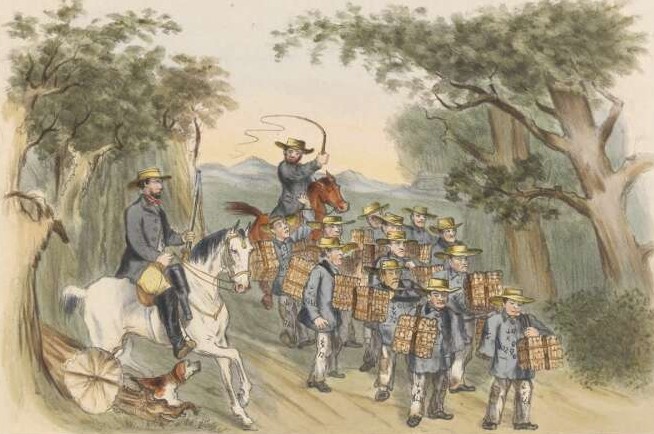
As a sixteen-year-old I received the book For the Term of His Natural Life (1874) from my paternal grandmother, who always encouraged my love of reading. It is about an aristocrat who, falsely accused, is transported to Van Diemen’s Land, suffering extreme cruelty and violence at the hands of his jailers and fellow convicts. It…
-
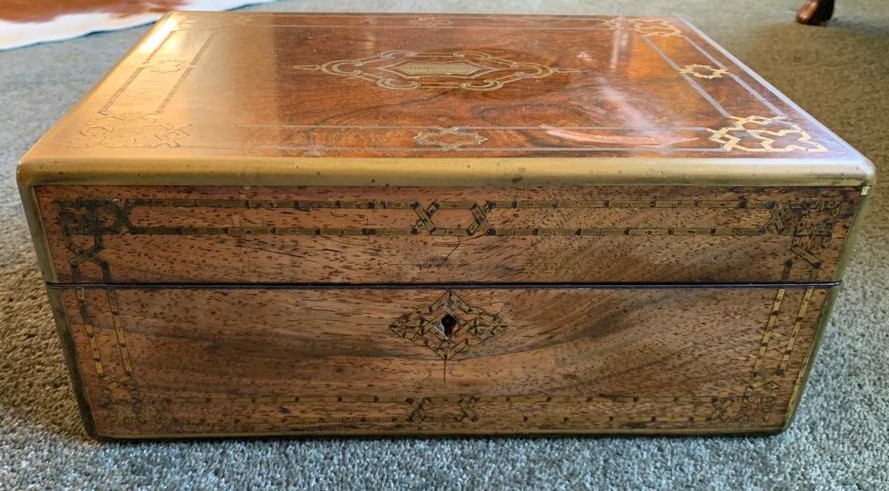
The origin of the travelling case is probably French, dating back to the late 14th century. Over time these cases evolved from functional travel items into luxury accessories. In England, by the end of the 18th century modest versions were being made to accompany upper-class gentlemen during travel – and a way of displaying their…
-
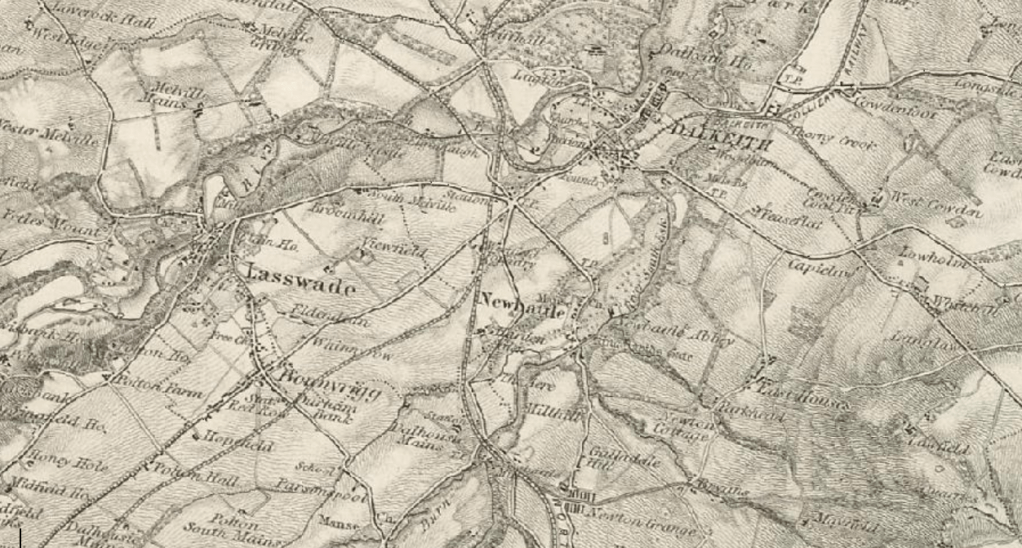
Genealogical questions usually revolve around solving a particular type of problem, be it one of identity (eg. ‘Which John Smith was James’ Smith’s son?’), activity (eg. Did John James Smith of Wellington, NZ, serve in WW1?’) or relationship (eg. Who were the parents of….?’) Purely by accident, while researching the ancestors of my third great-grandmother…
-
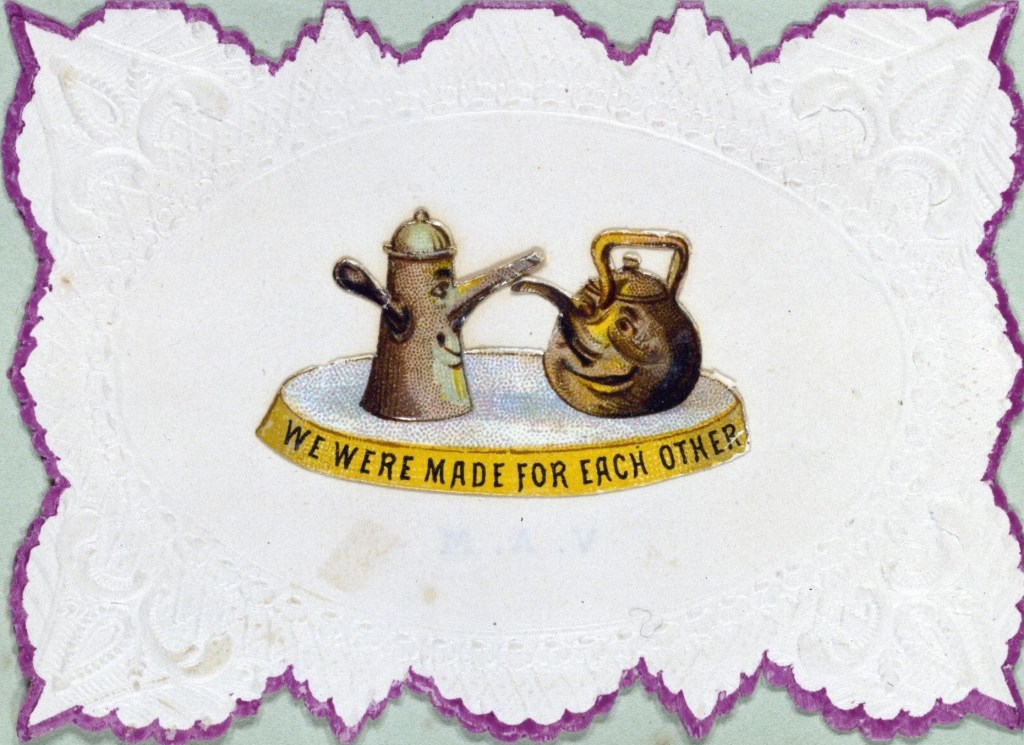
Today is apparently Valentine’s Day – not that you’d know it in my household! Whether you love it or hate it, Valentine’s Day has an almost 2000-year history (think pagan festival) that took off in popularity in the Victorian age. Valentine’s Day was incorporated into the rituals of courtly love in the 14th and 15th centuries, and…
-
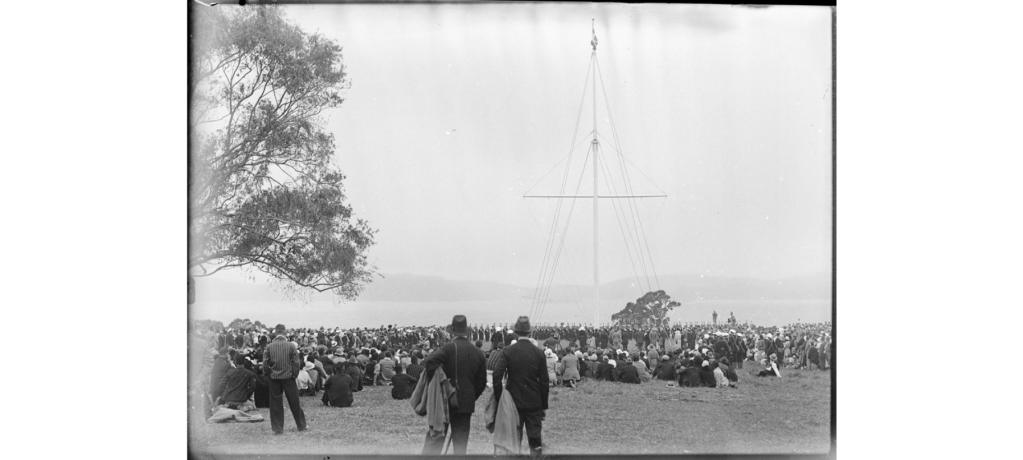
Yesterday, February 6, New Zealand marked Waitangi Day. Waitangi Day commemorates an agreement made in 1840 between representatives of the British Crown and (ultimately) more than 500 rangatira Māori, the Treaty of Waitangi (in Maori, Te Tiriti o Waitangi). It resulted in the declaration of British sovereignty over New Zealand by Lieutenant-Governor William Hobson in May…
-
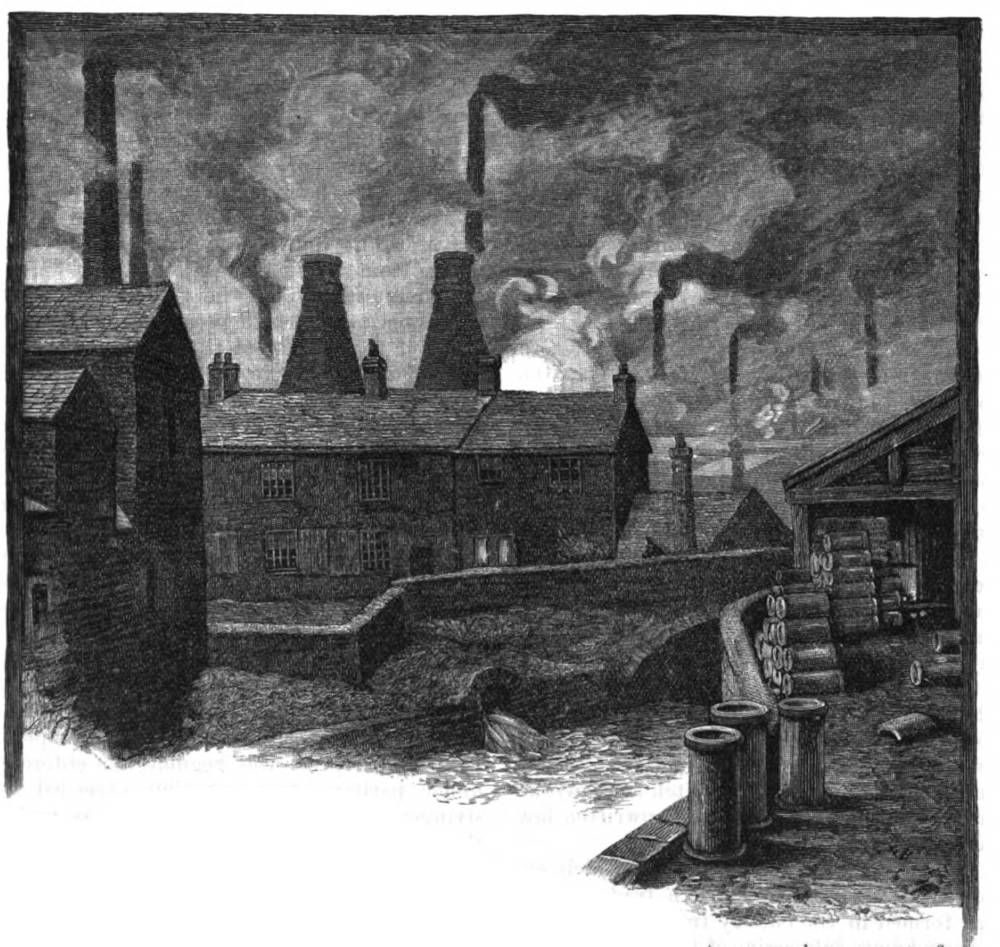
A nation of emigrants, genealogy research in New Zealand will inevitably lead to the need to consult passenger lists. Passenger arrival lists are hugely significant to family researchers. We cannot fathom the enormity of a move to our country, a foreign land at the bottom of the world, which our ancestors would have known little…
-
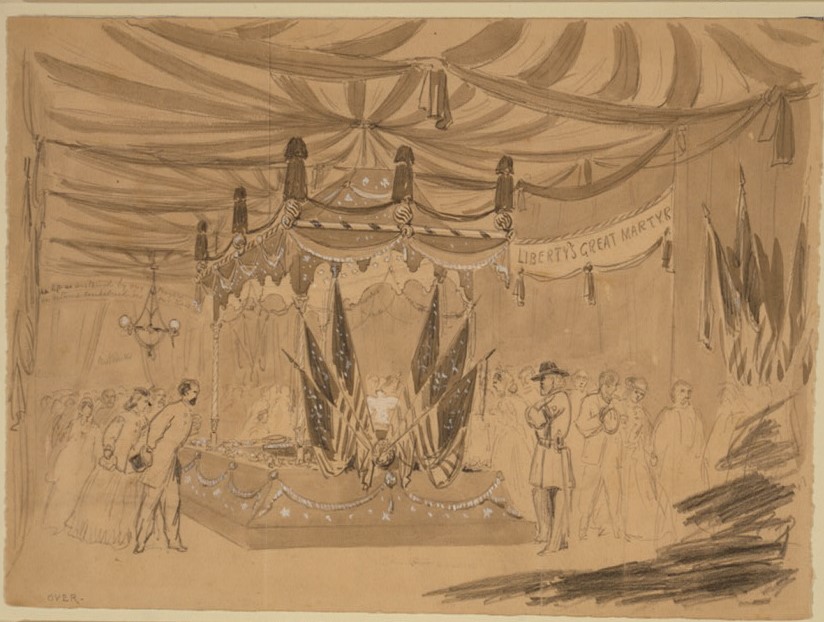
Genealogical researchers hope to document their family as far back as they can, leaving a legacy for their descendants to enjoy. There is the hope that we might uncover skeletons in the closet or solve a family mystery. A bonus would be to make a link to someone famous. I was recently researching the Case…
-
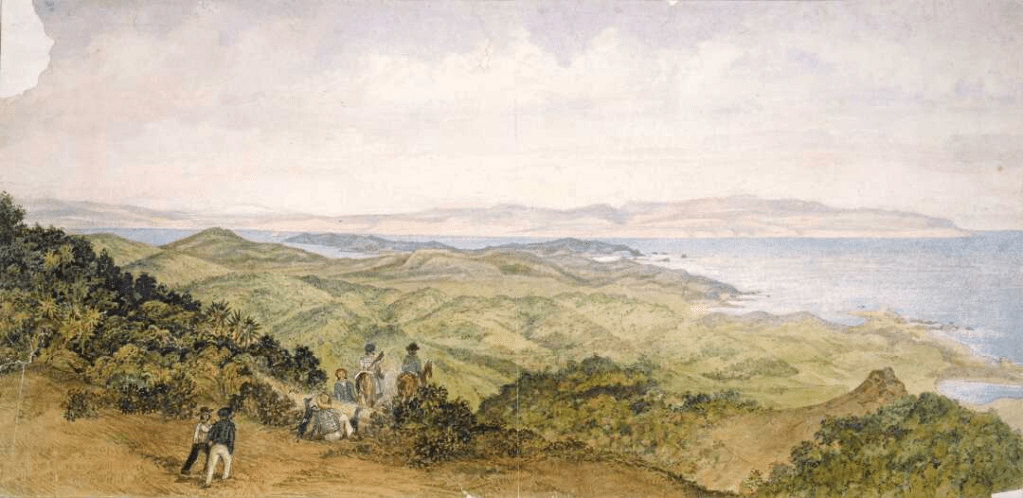
Most of us who are interested in genealogy will have noticed that our ancestors had unusually large families. There were many reasons for this: little knowledge about reproduction; societal attitudes to discussing birth control; large families were a source of pride and a sign of virility; children were seen as economically-useful assets; and high child…
-
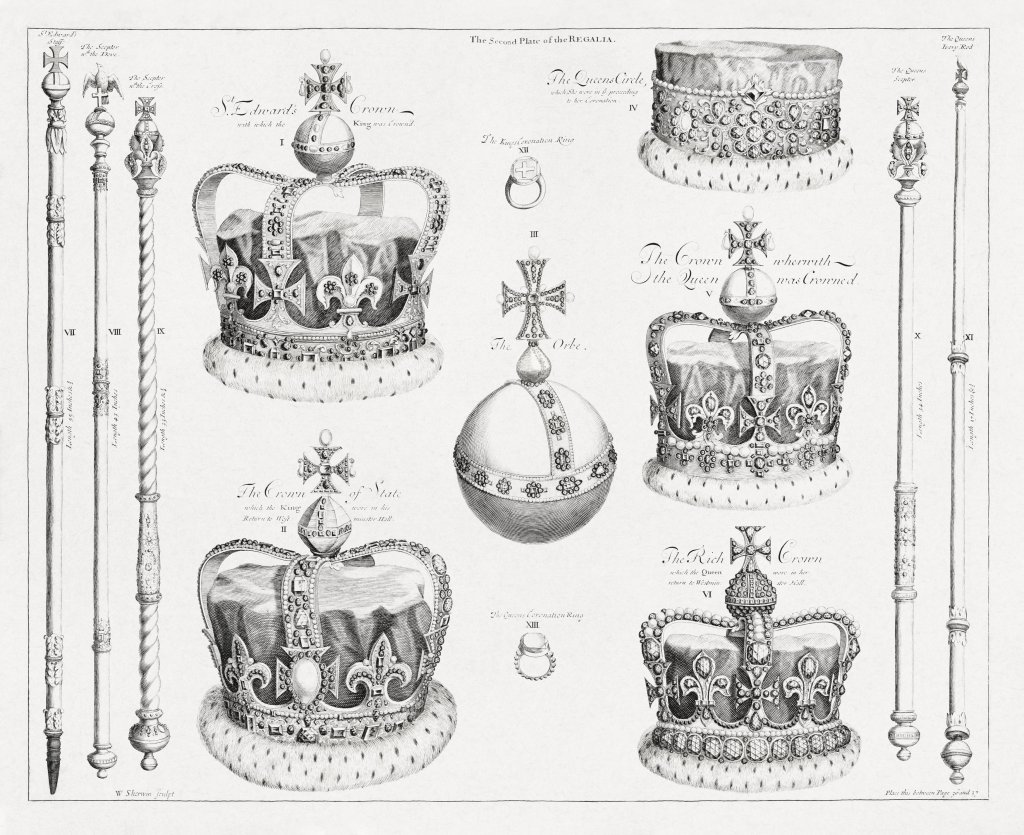
Who says our ancestors didn’t have a sense of humour? Sure, they never smiled in photos, their lives were often hard and much shorter than they are today. It didn’t mean they couldn’t insert some joy into their lives, though – and with the coronation of King Charles III rapidly approaching, I thought this example…
-

It was known as “The Great War”—a land, air and sea conflict so terrible, it left over 8 million military personnel and 6.6 million civilians dead. Nearly 60 percent of those who fought died. Even more went missing or were injured. In just four years between 1914 and 1918, World War I changed the face of…
-
Subscribe
Subscribed
Already have a WordPress.com account? Log in now.
 Kinship Genealogy Co.